1
A lifelong builder
I have played and built with LEGO bricks all my life. It is where I learned that the quickest way to test an idea is to make it.
Portfolio · Concept Model Exploration internship
Miguel Ángel Medina Lazcano
Mechanical engineering student from Madrid. I have been building with LEGO® bricks all my life, and I spent four years turning pencil sketches into real racing cars. I like designs nobody has tried yet.
01 · Why concept model exploration
Your team turns ideas into models that show the minimum viable play. That is how I already work: rough first, fast, and in the open, so other people can react to it.
1
I have played and built with LEGO bricks all my life. It is where I learned that the quickest way to test an idea is to make it.
2
Every car concept I led started in my sketchbook. I drew those pages to help teammates get past the blocks they hit during design.
3
I study how things carry load and how they move: chassis, suspension, composite shells. I use that to make concepts that hold together.
02 · What you look for
“What if the chassis were carbon?”
My team had raced steel frames for years. I asked whether a carbon shell could be lighter and still as stiff, and spent my thesis finding out, through seven laminate versions.
Starting from a blank sheet
Eight months after joining the team I became its Managing Director. Instead of evolving the old car, I proposed a clean-sheet concept and stood behind it for two years.
Priorities change weekly
I wrote my thesis in three months while directing the design of a new car. One week was drawings, the next the workshop, the next a competition.
One picture everyone shares
A team of more than 80 people needs one clear picture. I drew it, explained it, and created the ISC Academy so new members could learn it and add to it.
03 · Sketchbook
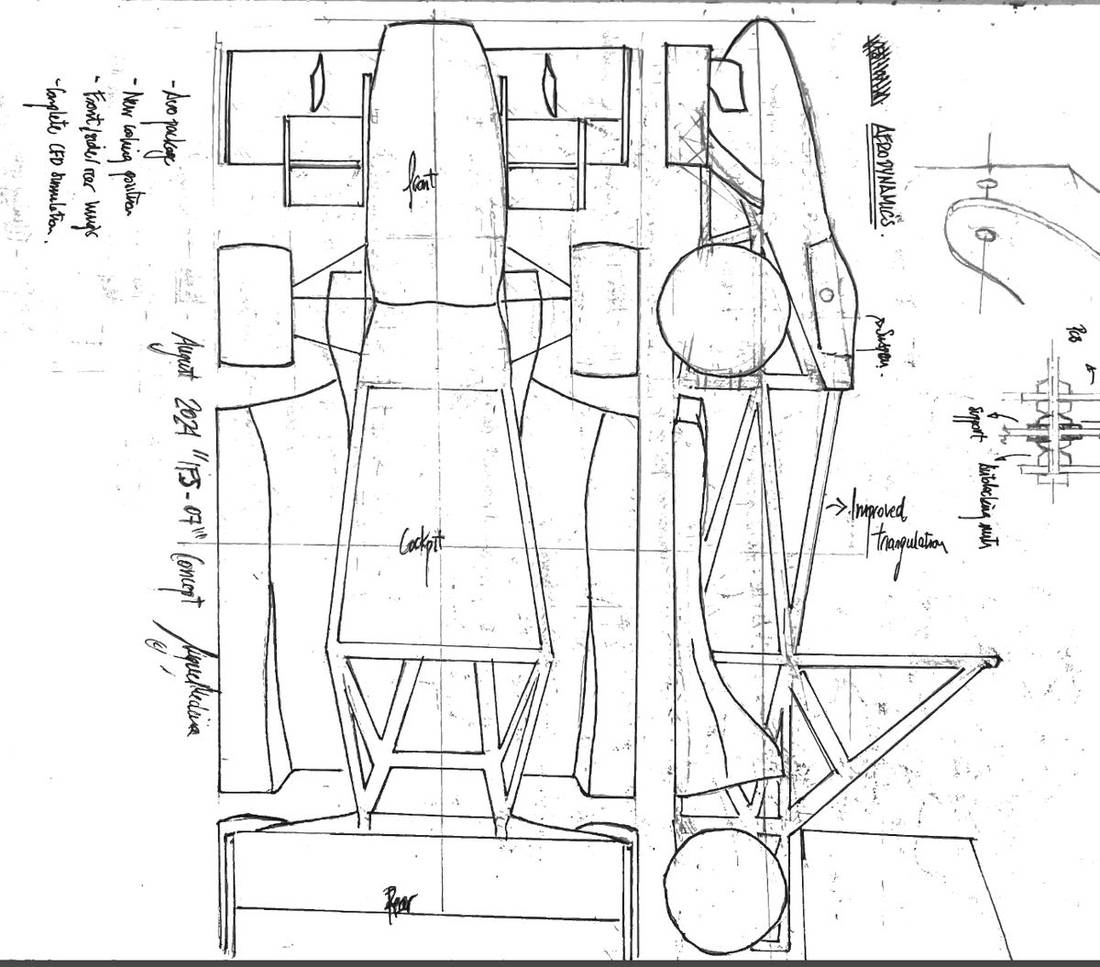
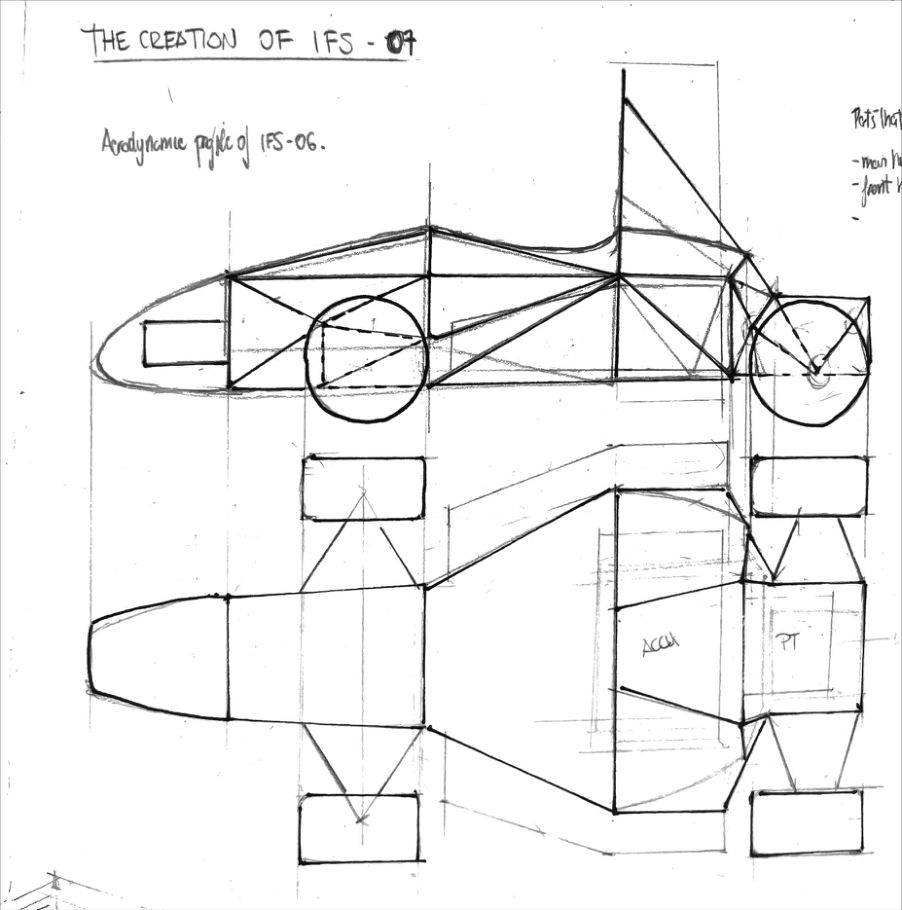
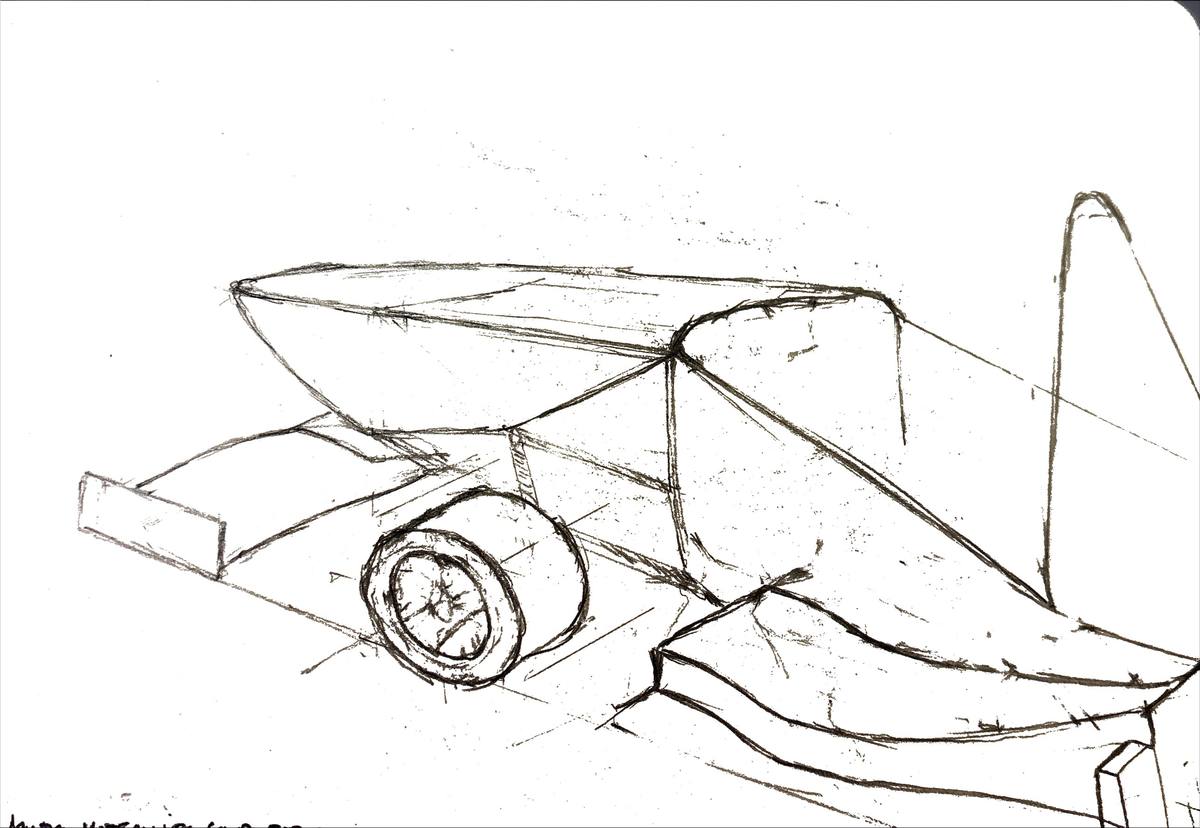
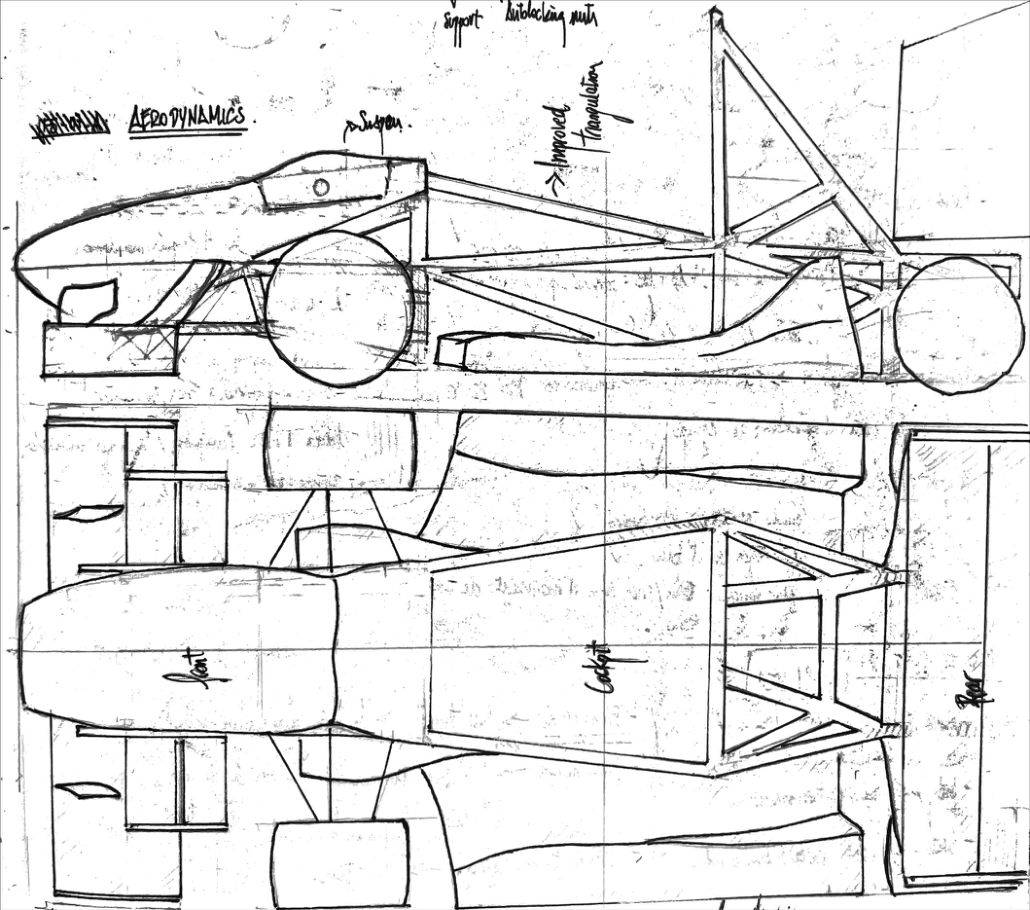
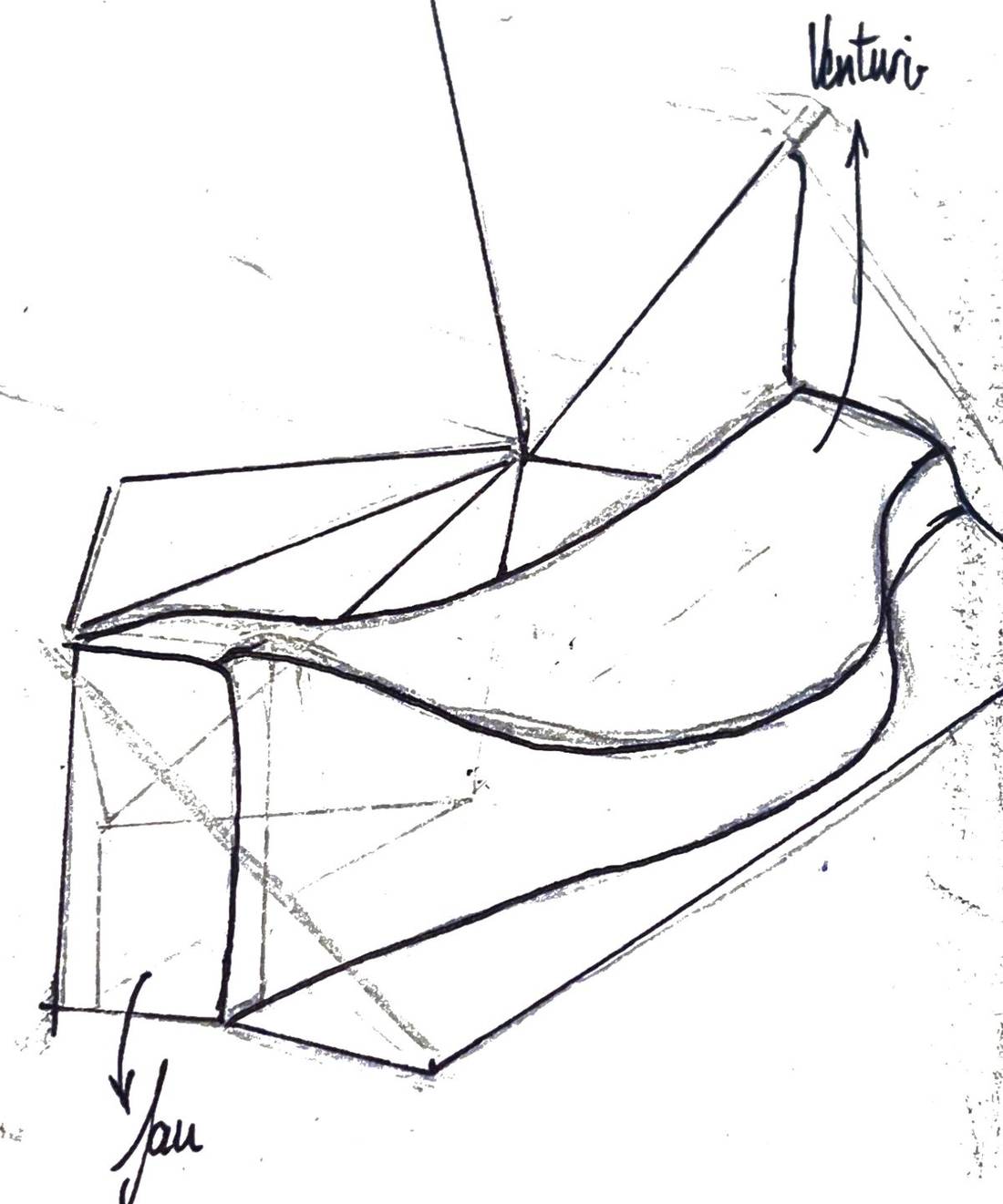
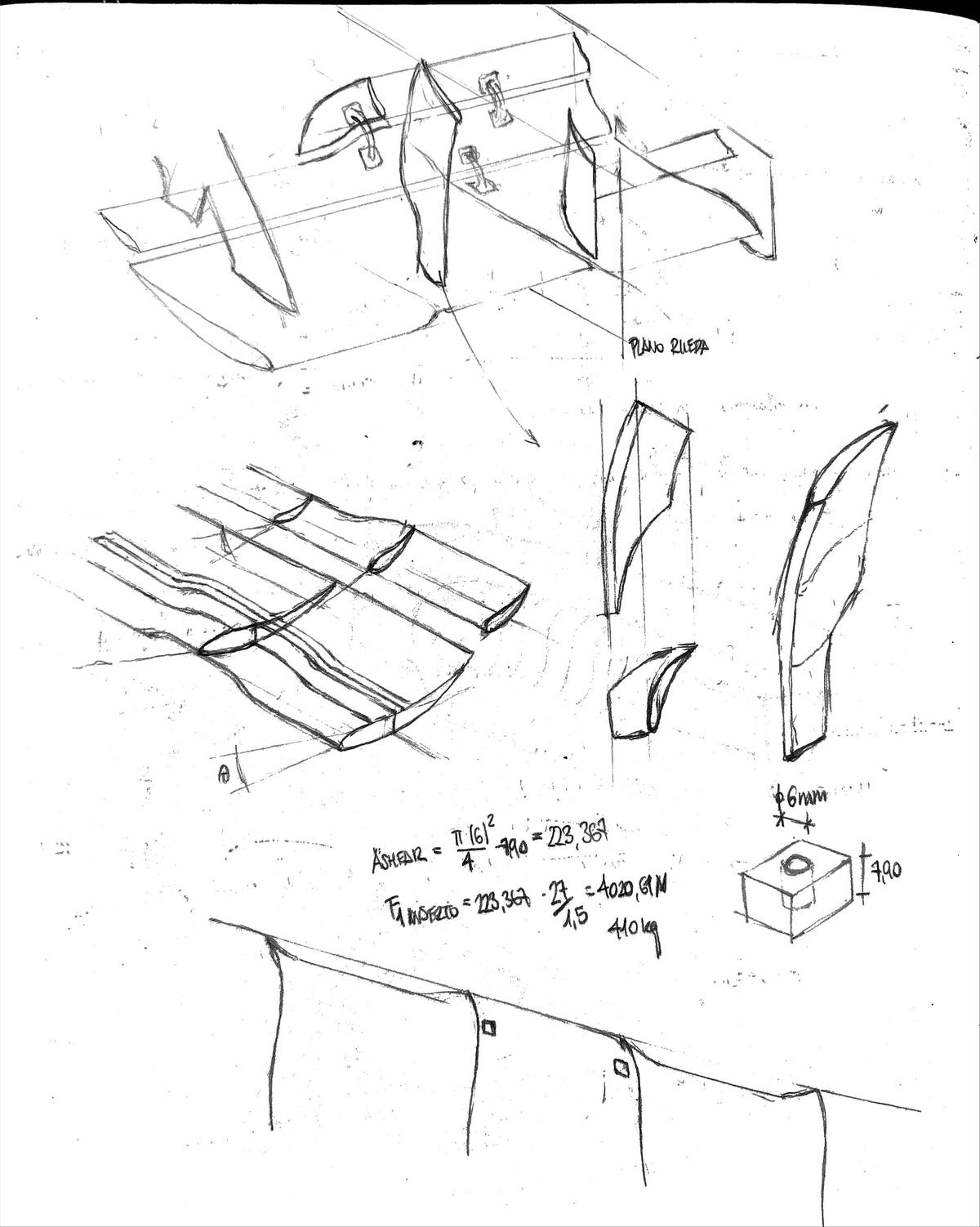
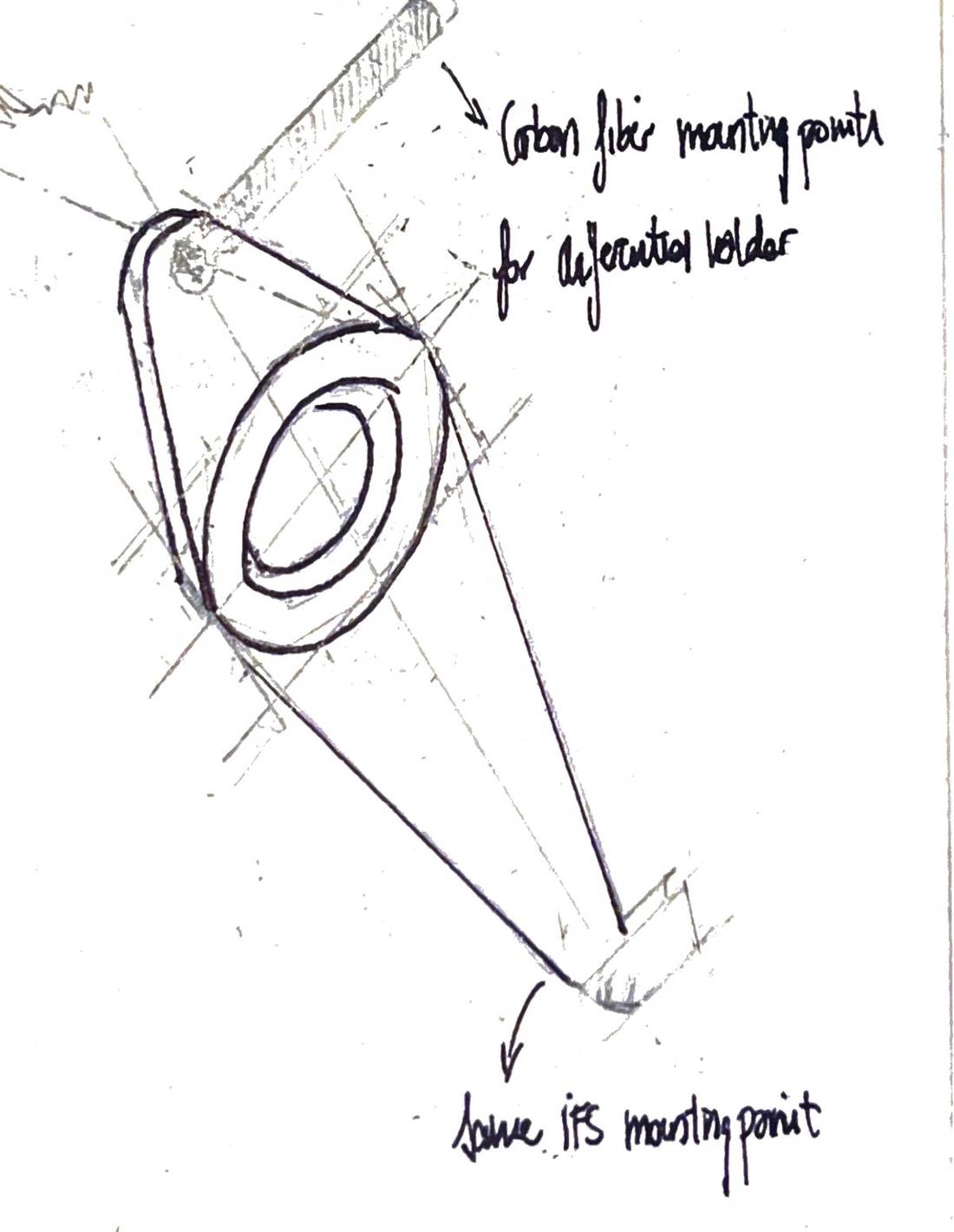
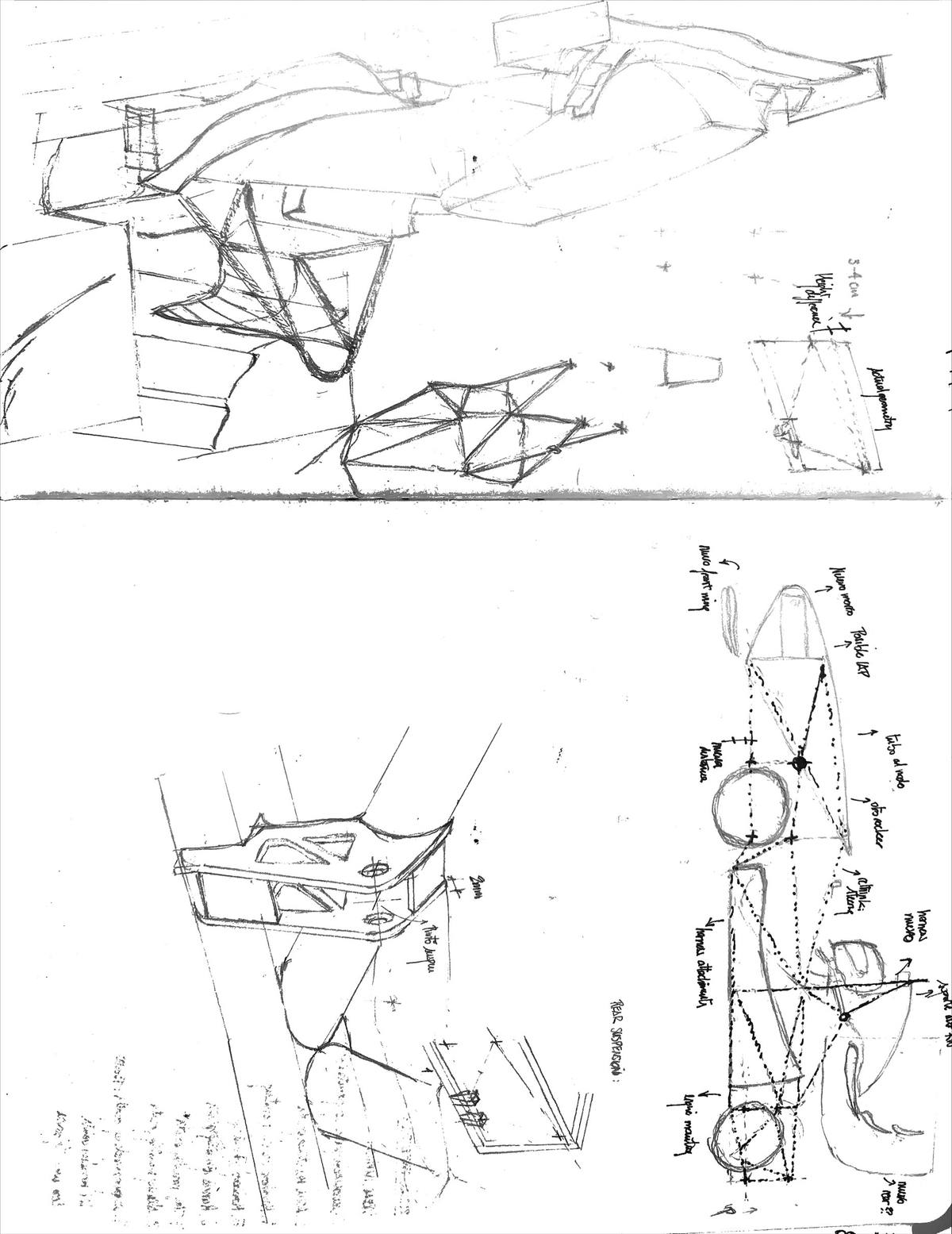
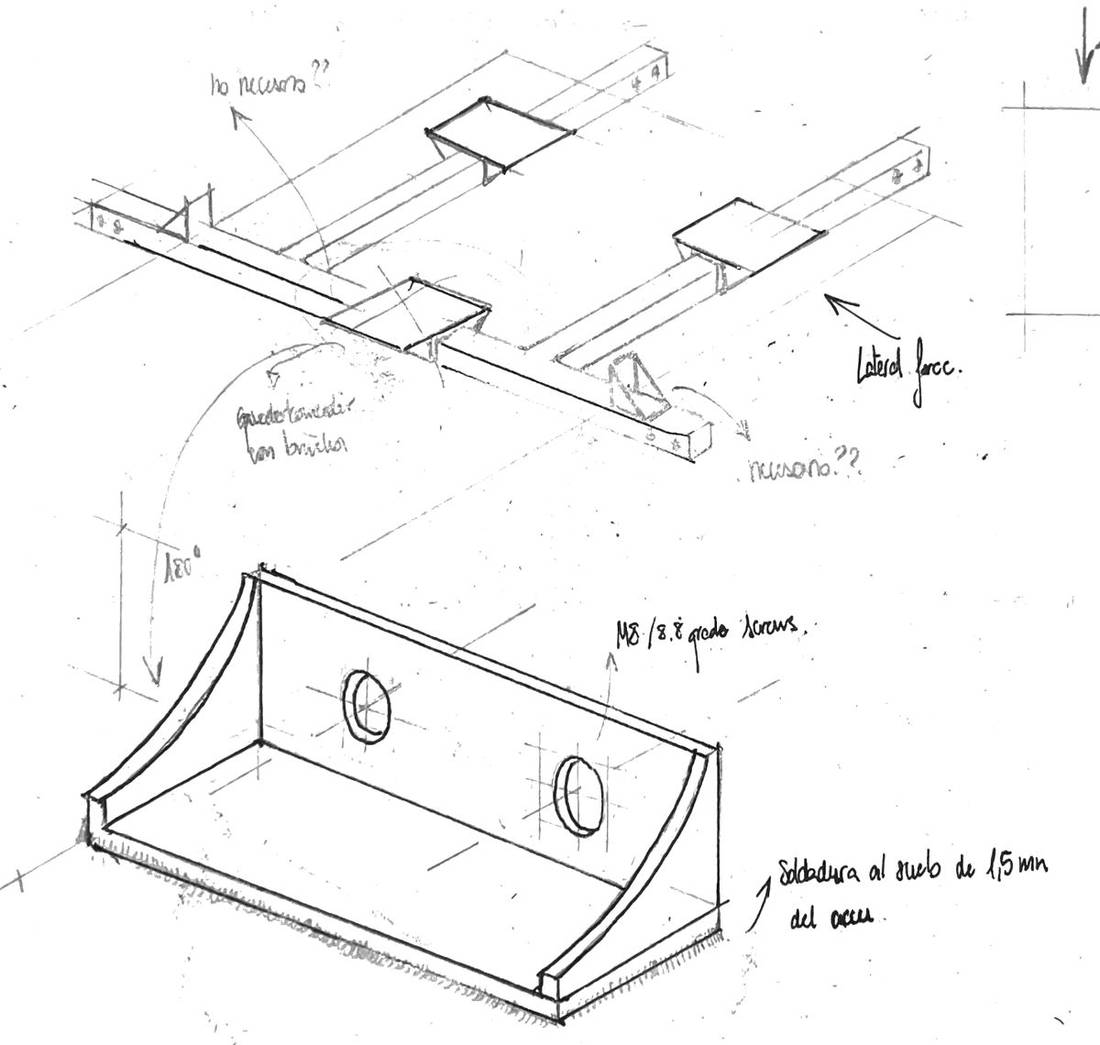
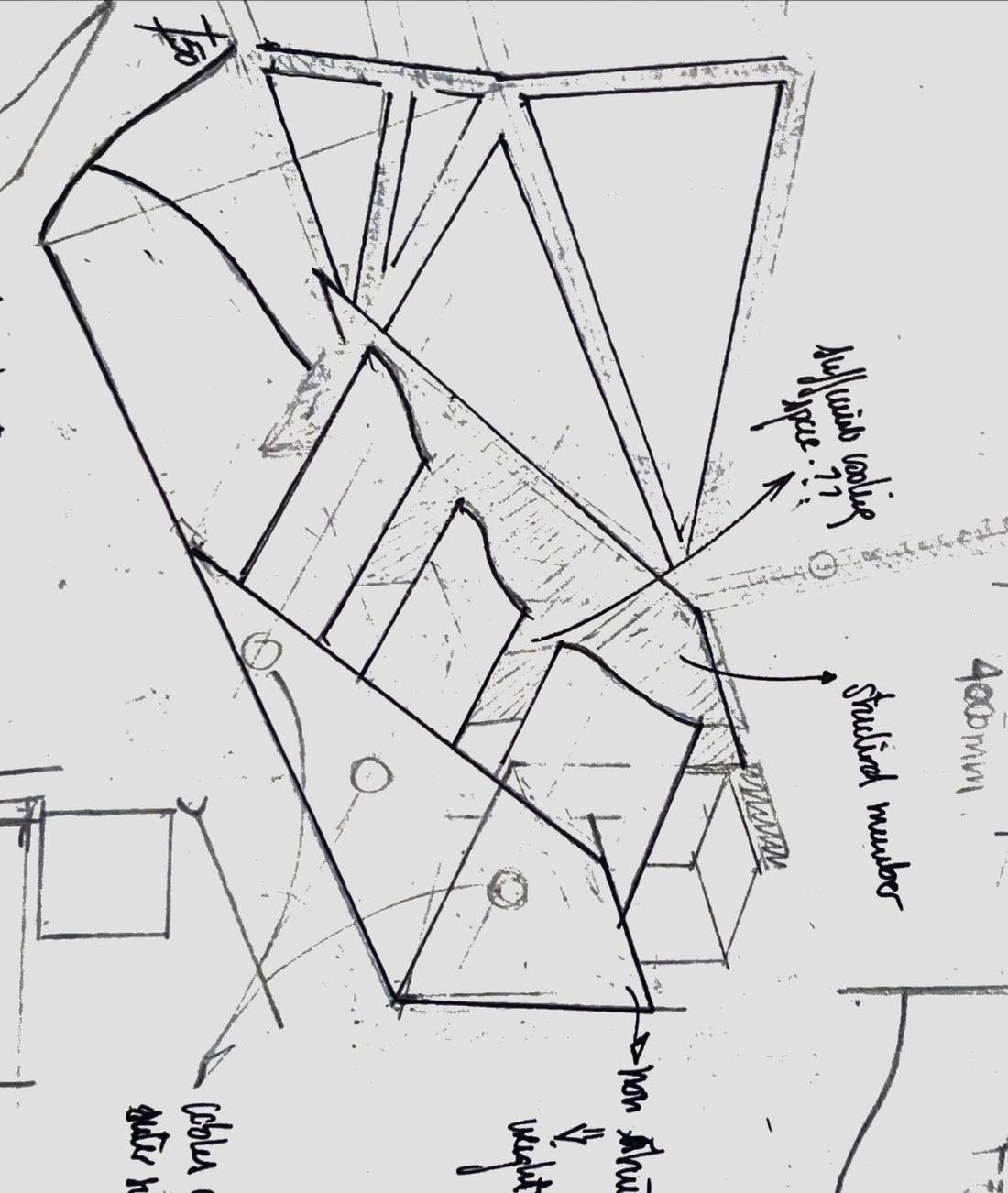
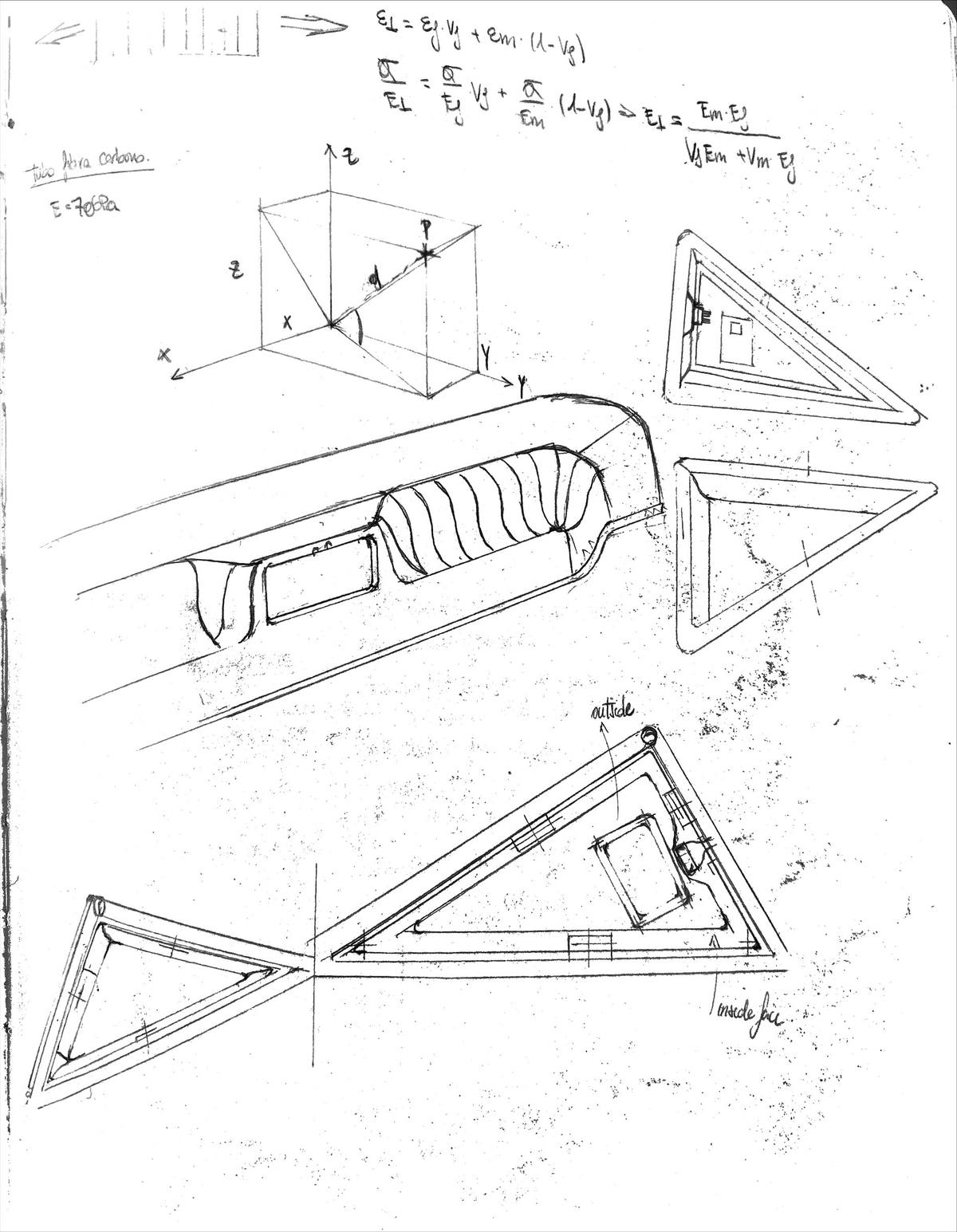
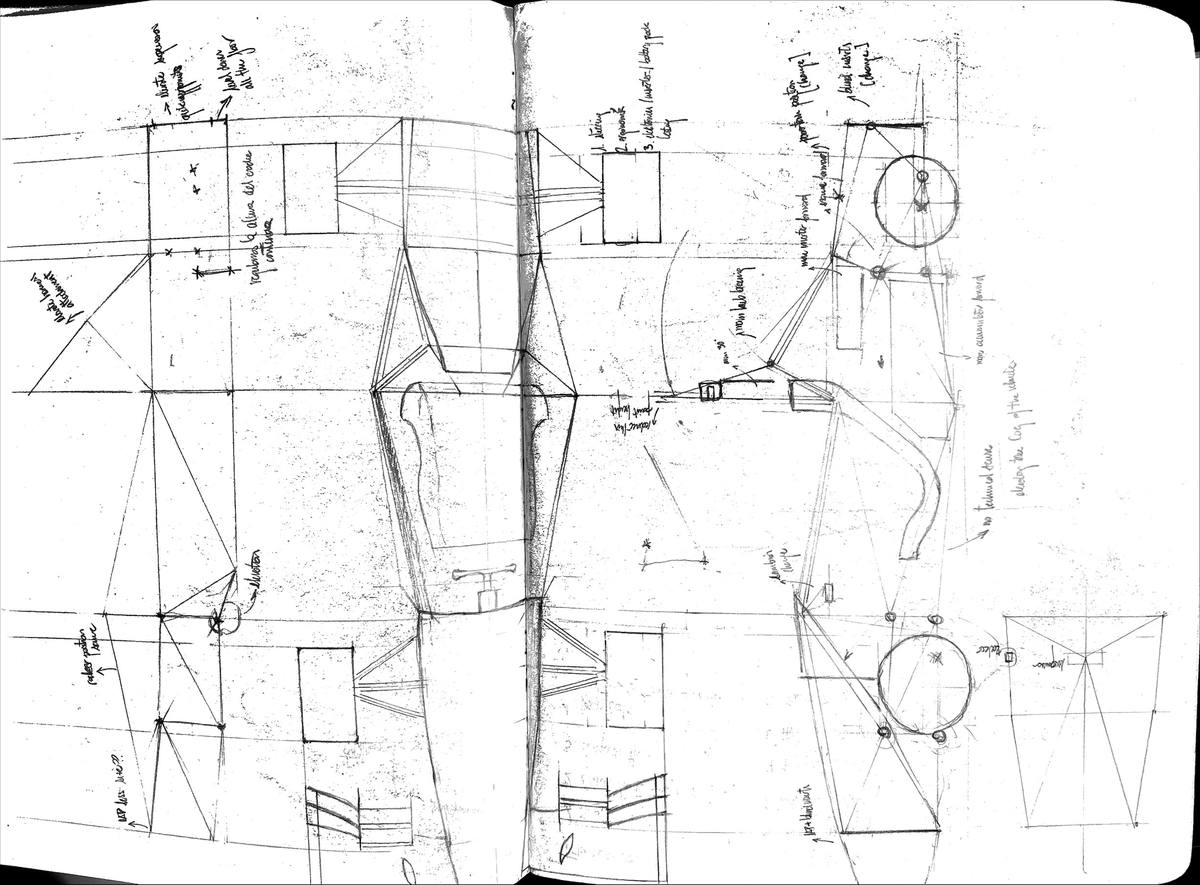
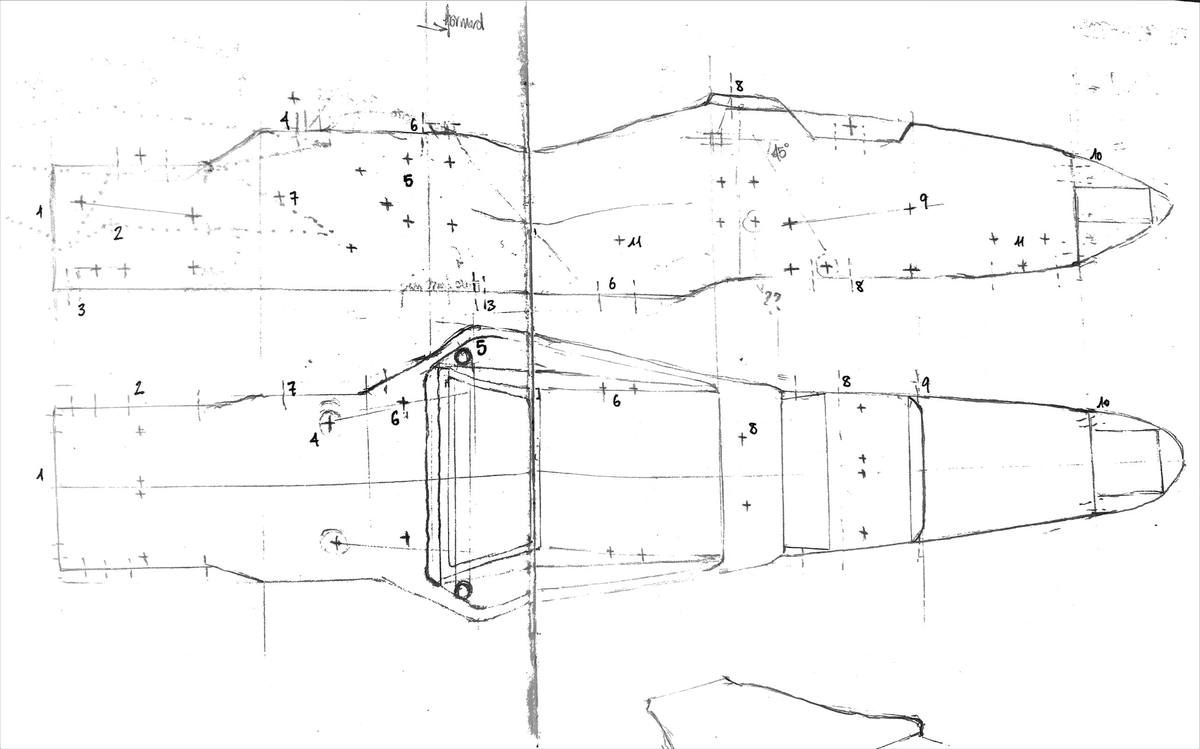
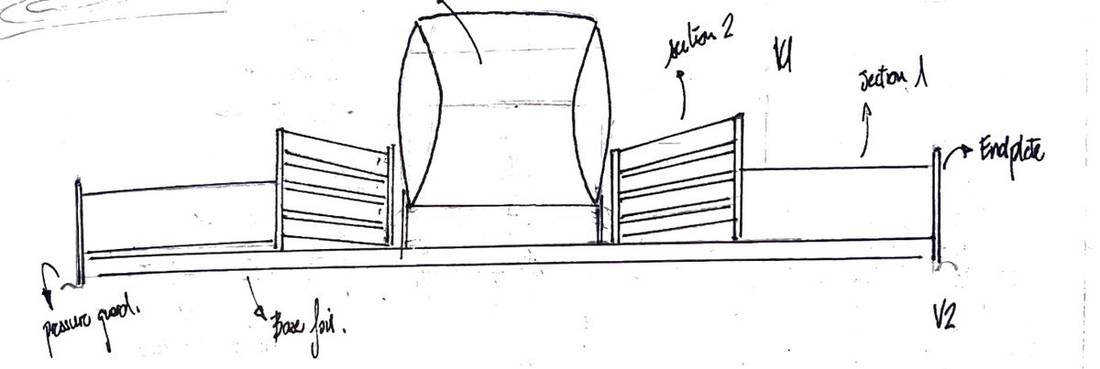
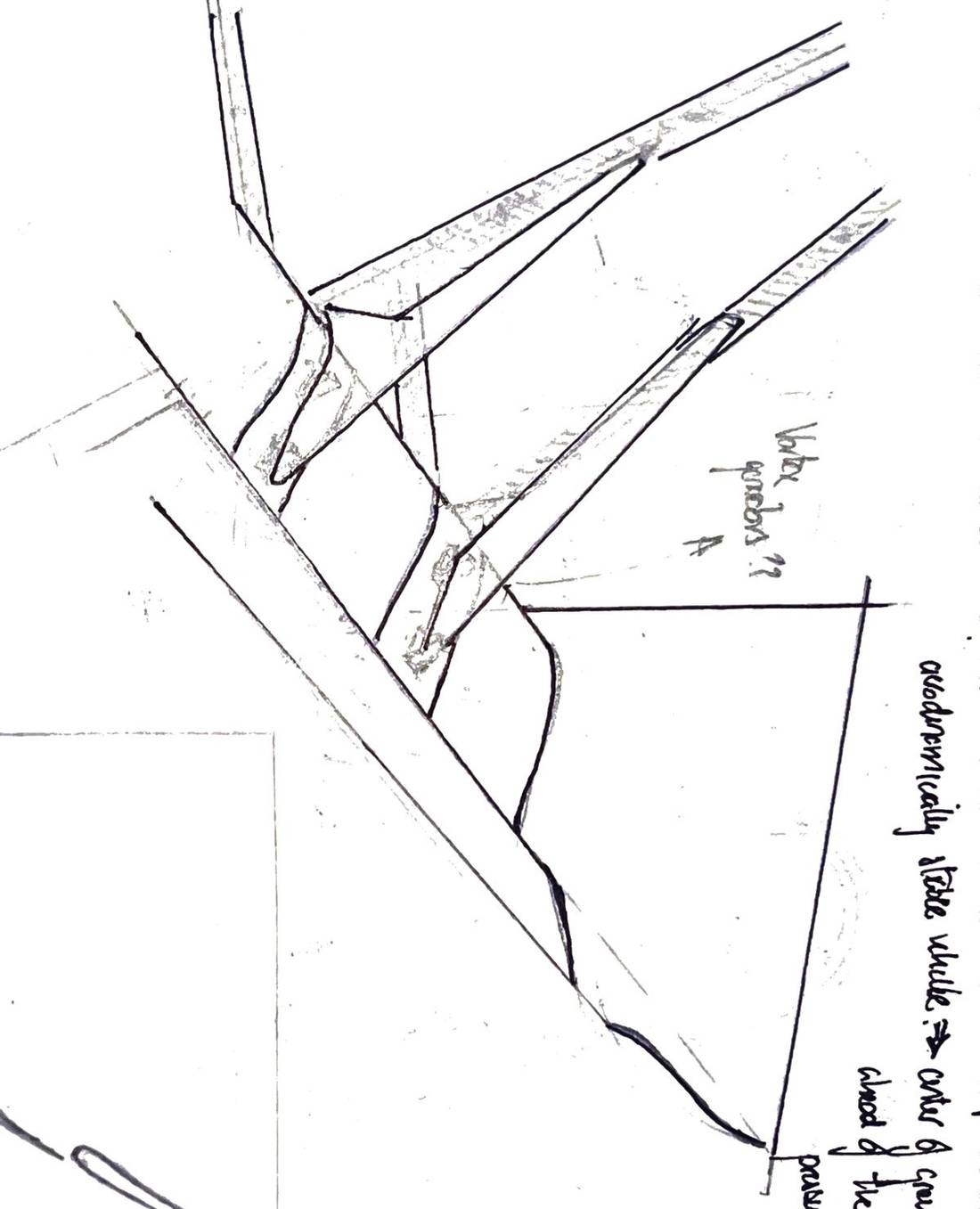
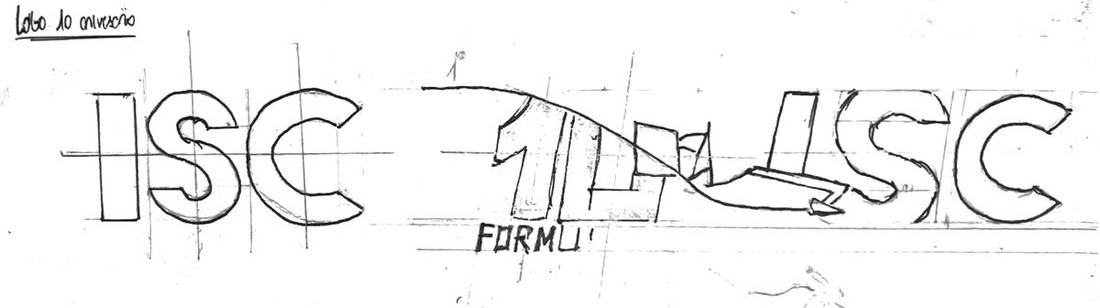
Pages from my sketchbook for two racing cars: whole-vehicle layouts, aero surfaces, brackets and mechanisms. None of it was meant to be pretty. It was meant to get a team unstuck.
Drag or swipe sideways →


04 · From idea to object
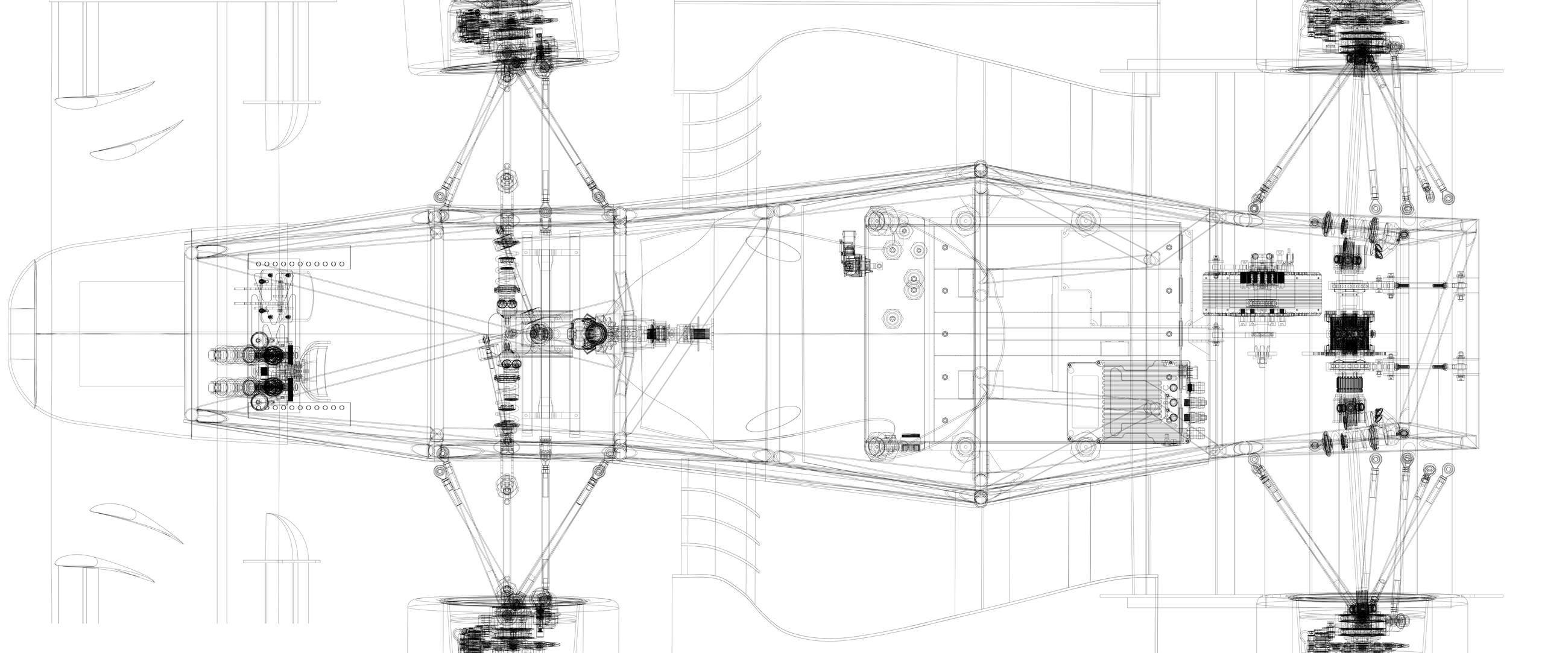
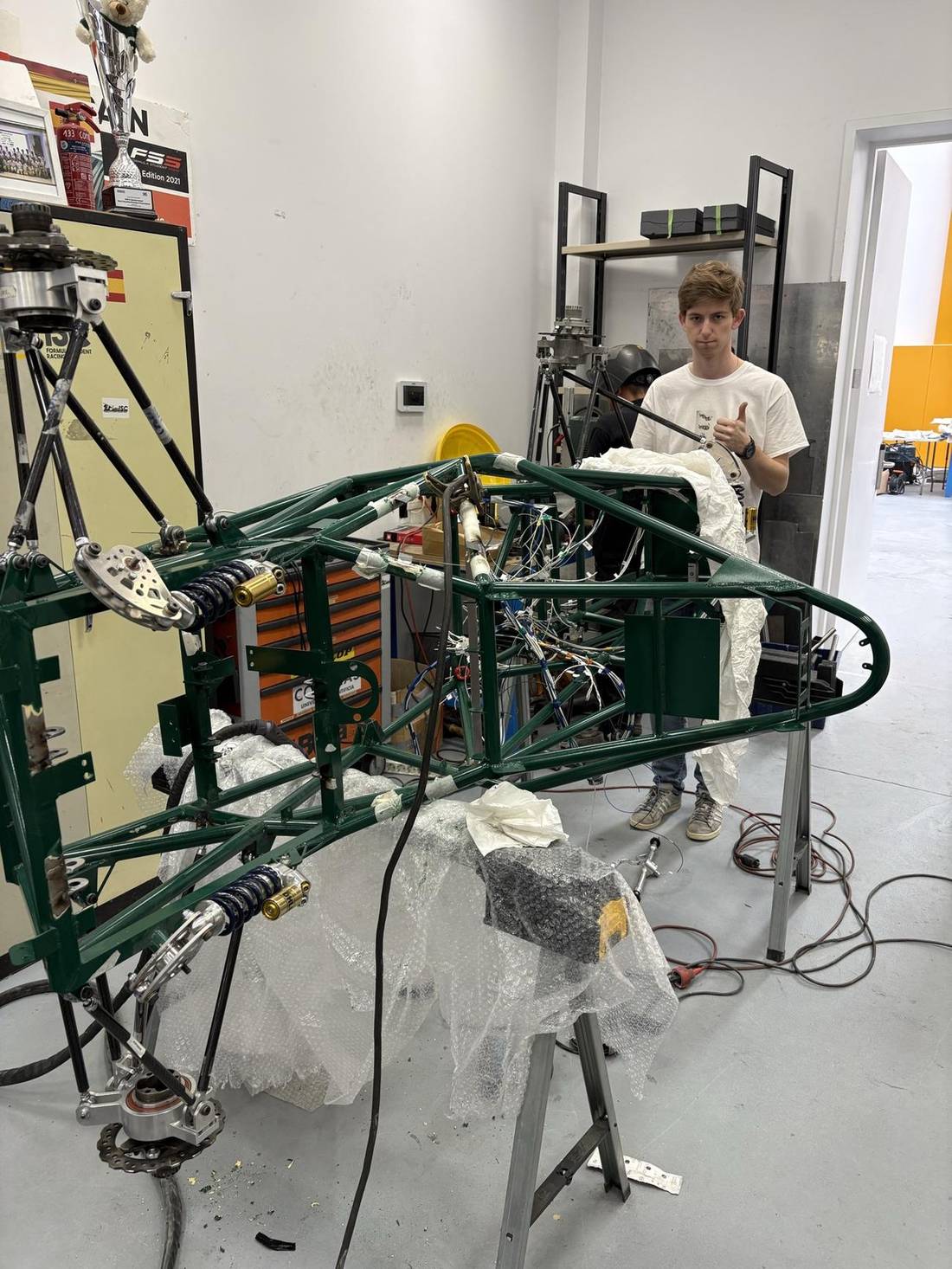
The same loop your team runs with bricks. Here it is on the last car I led, the IFS-08.
A rough plan of where everything lives: wheels, driver, structure. Quick enough to throw away and redraw.

05 · Structural and mechanical
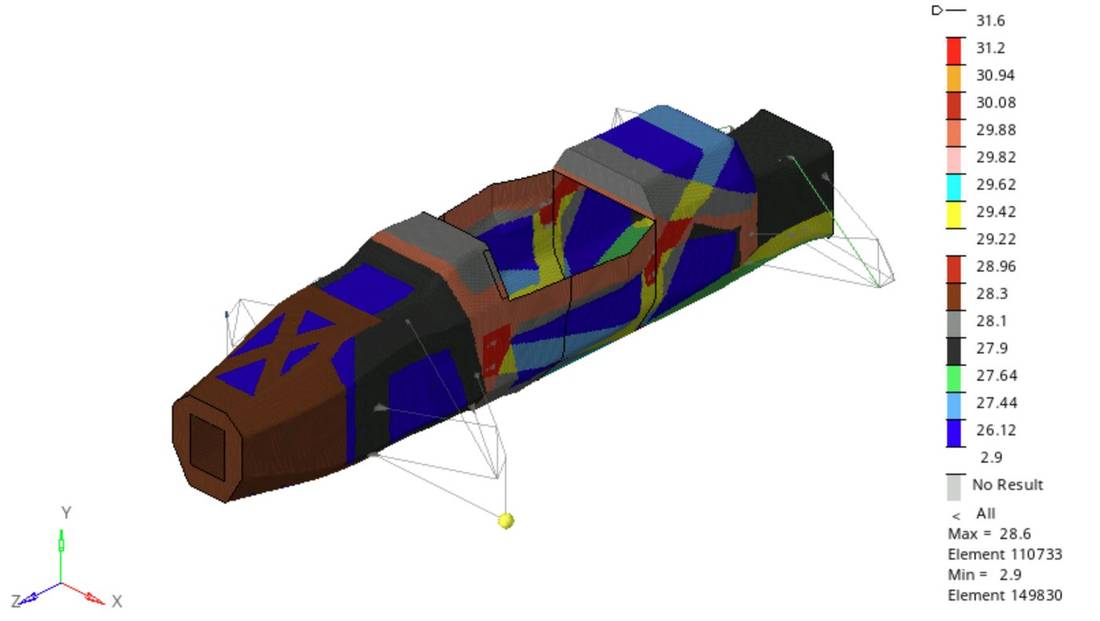
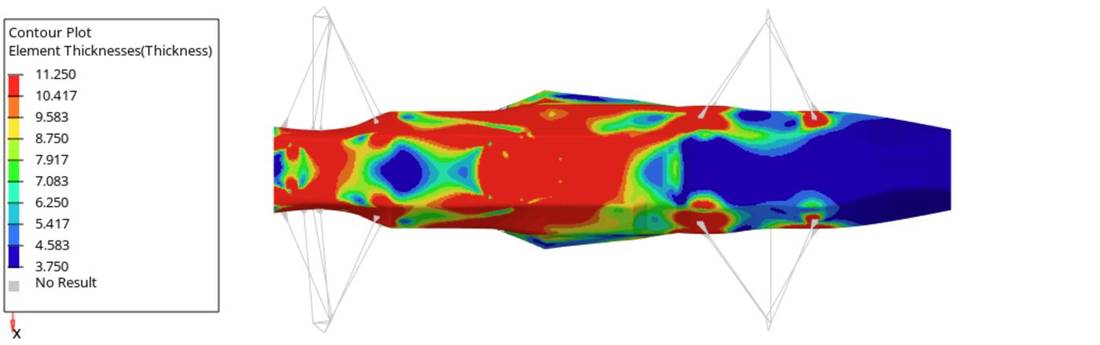
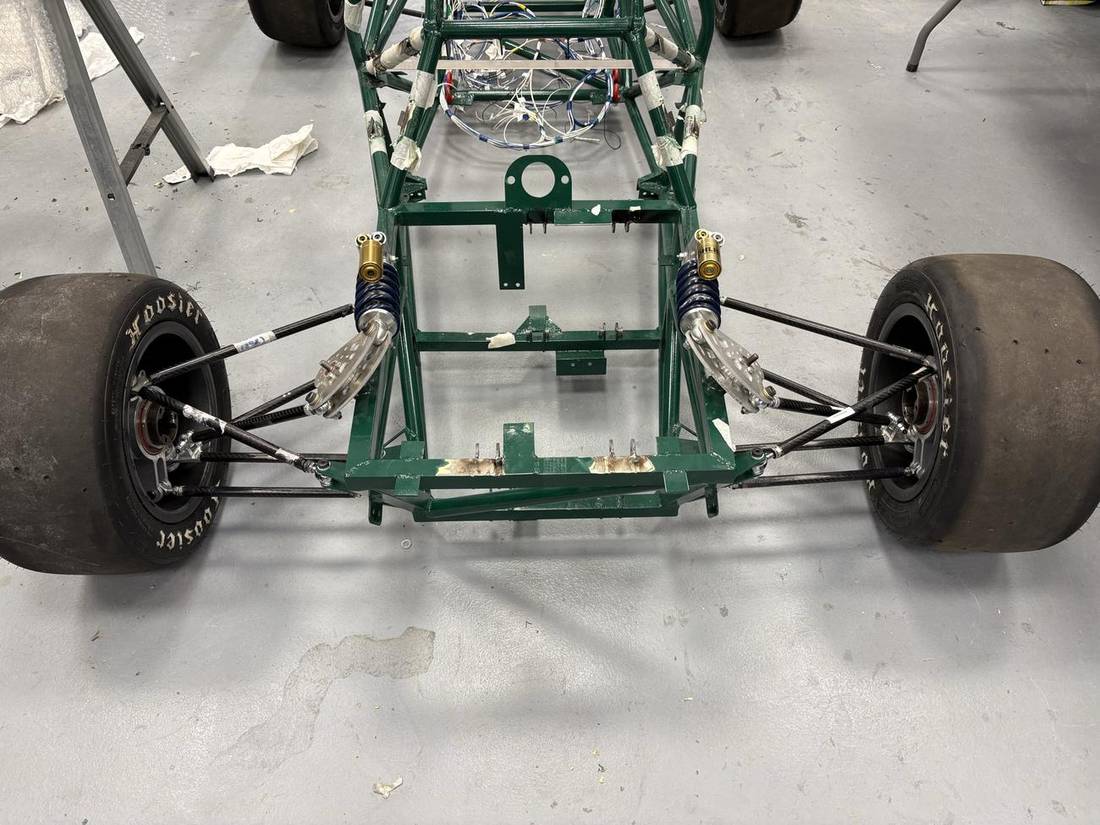
A good brick model and a good chassis follow the same rule. For my bachelor thesis I designed a carbon-fibre shell for a racing car and let simulation show where each layer was needed.
06 · Hands-on
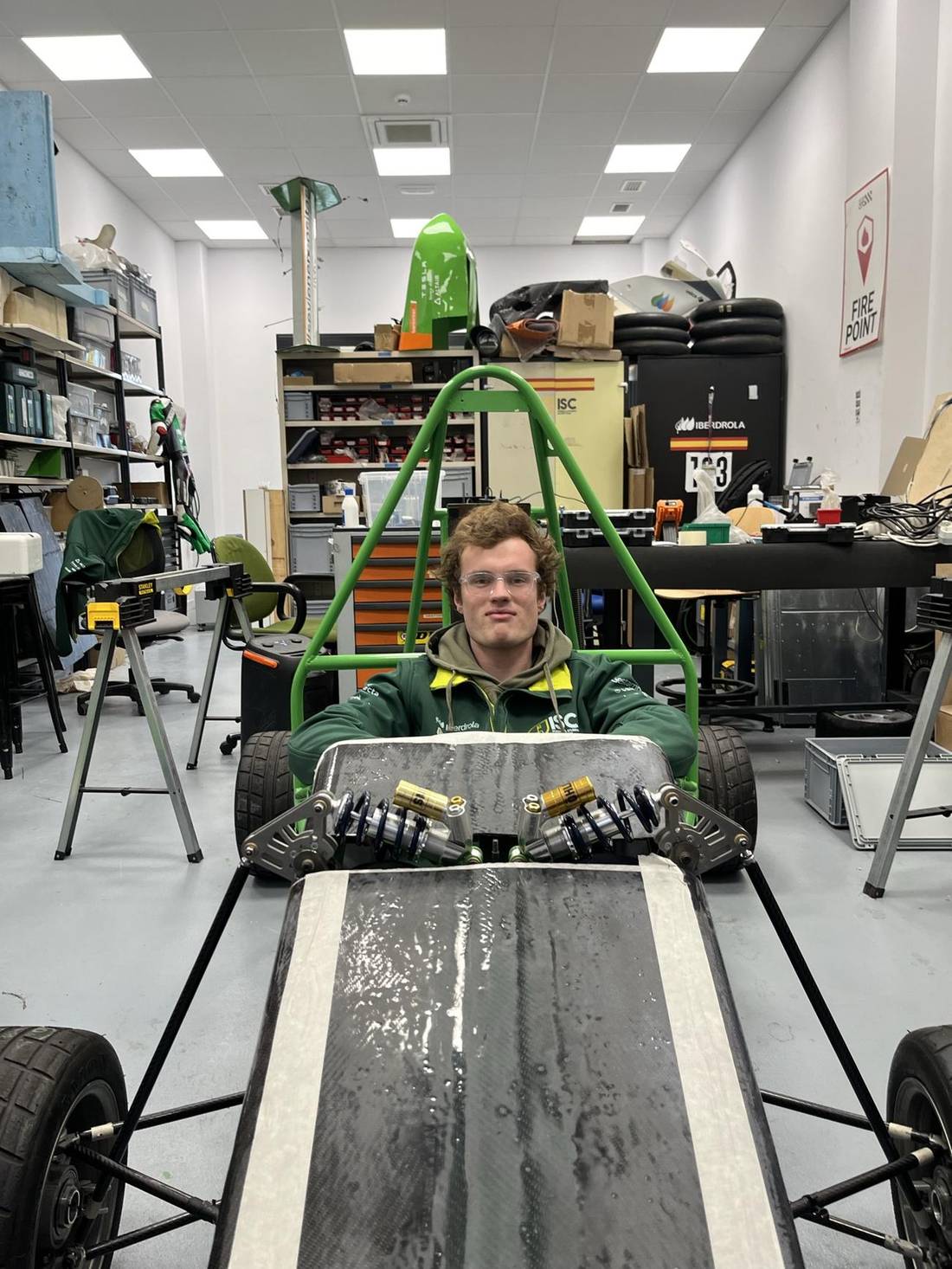
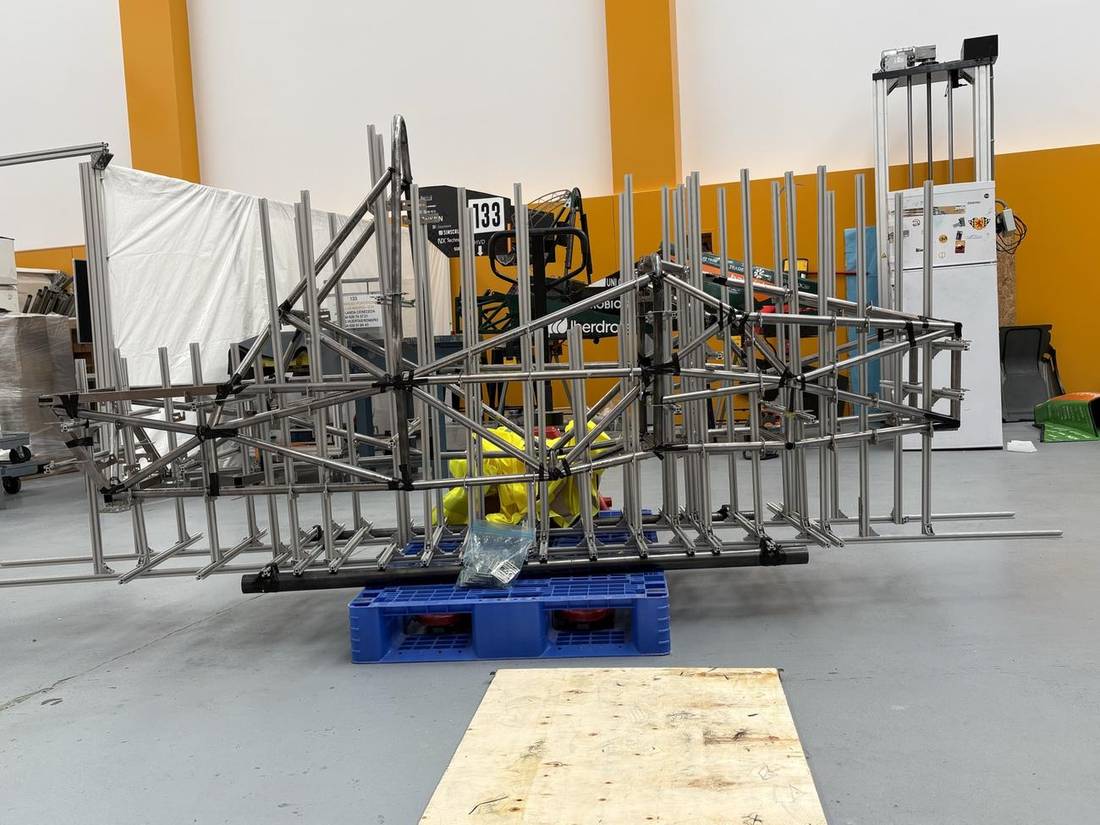
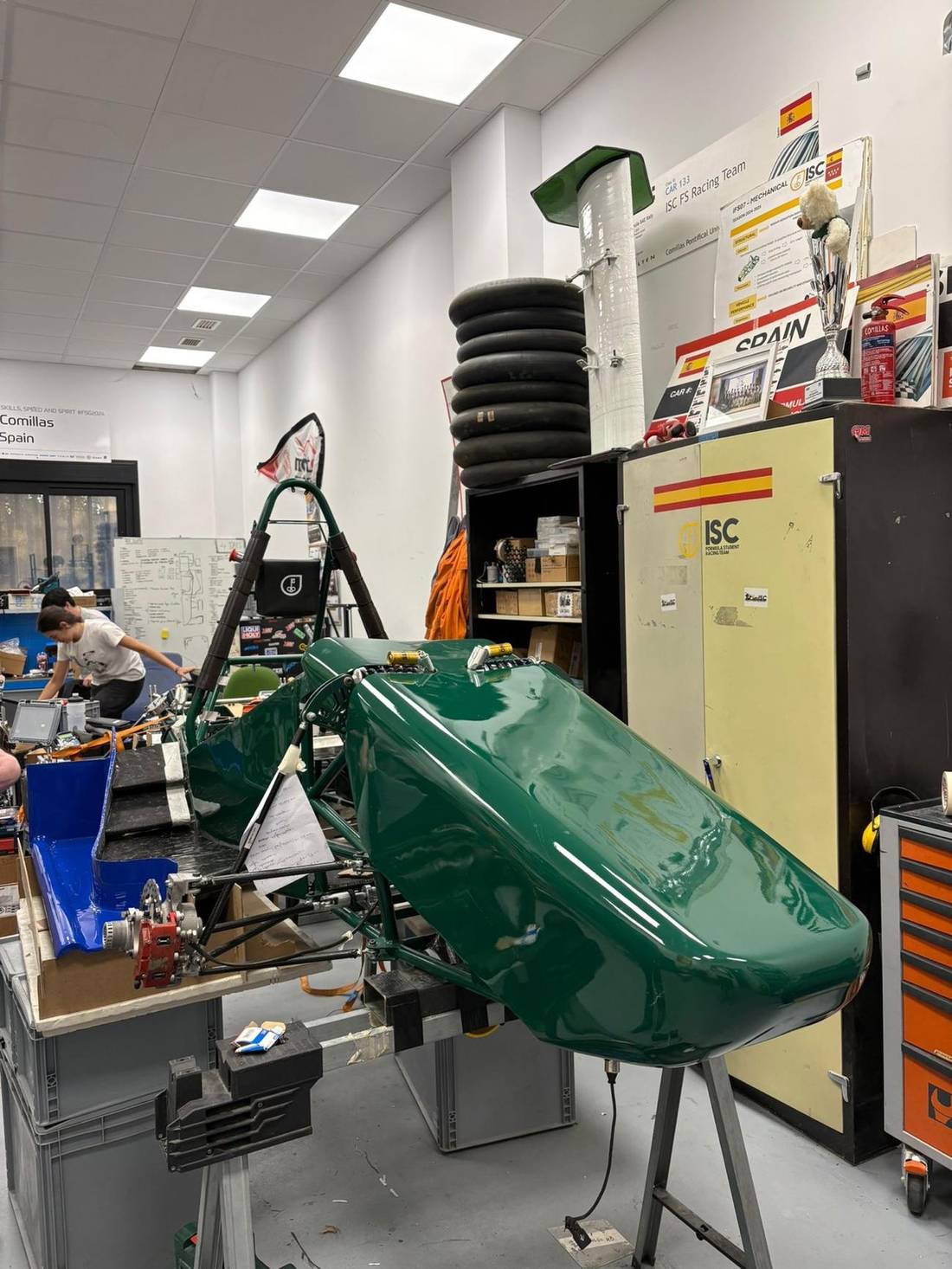
Four seasons in a student workshop, building a new racing car each year.
07 · A tool I invented
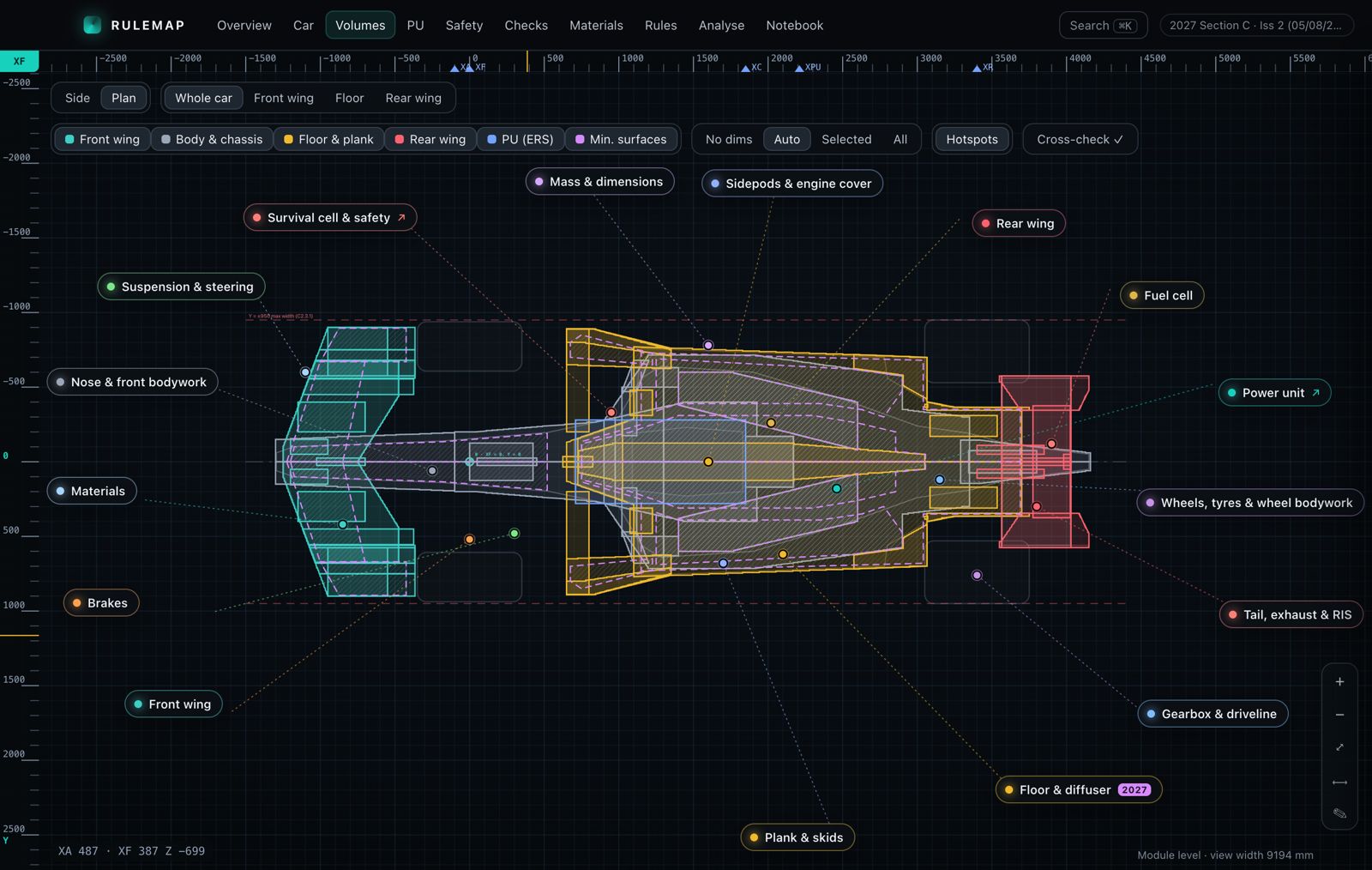
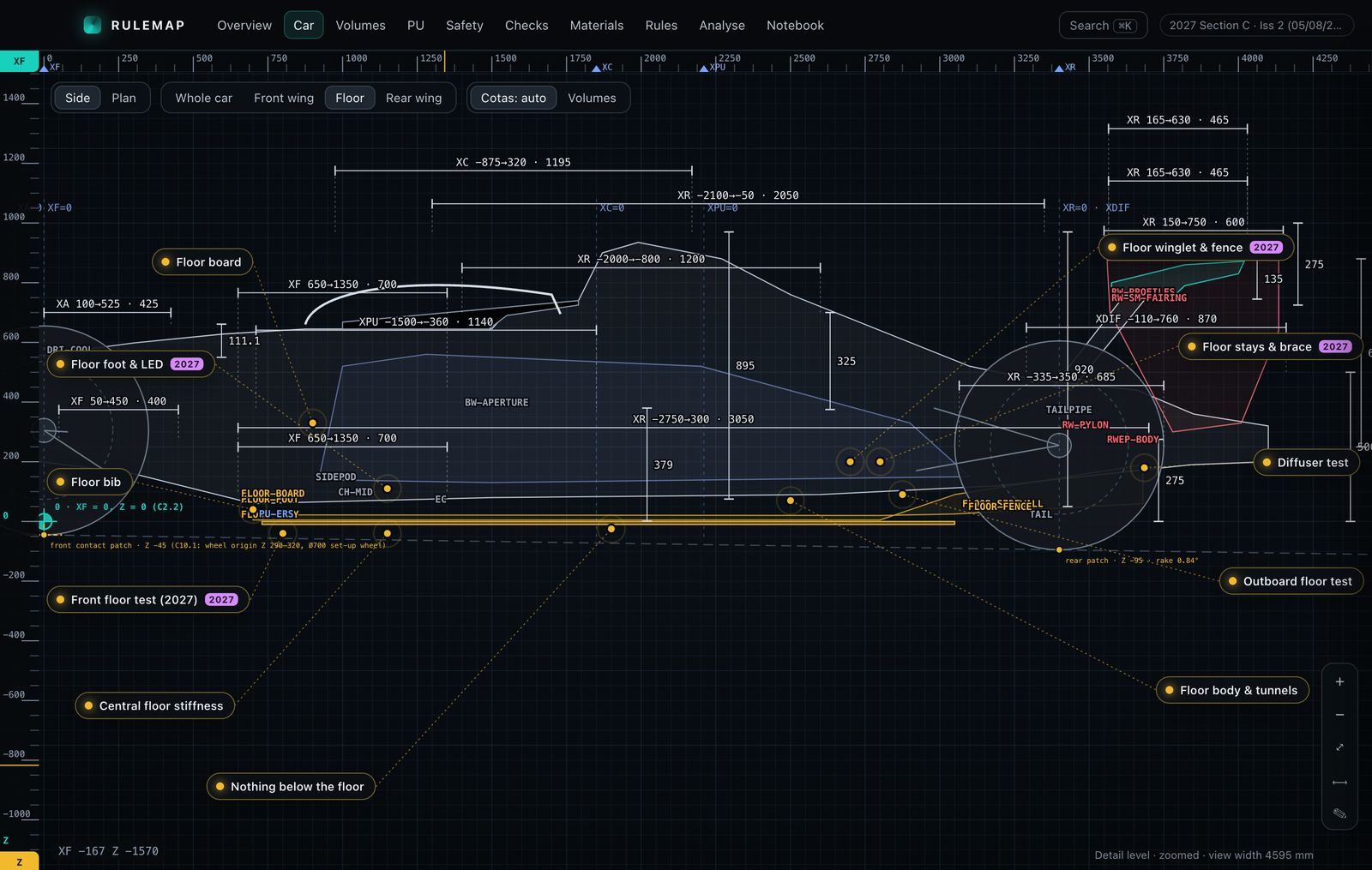
The Formula 1 technical rules run to 976 articles. I found them hard to picture, so I built RULEMAP: an app that draws every rule onto the car. You click a part and see what is allowed there.
08 · Your list, my experience
Your advert lists skills you like interns to have. Here is an honest account against it.
| Skill | Status | Evidence |
|---|---|---|
| LEGO model building | Yes | A lifelong builder. This internship would be my first time doing it professionally. |
| Sketching | Yes | Concept sketchbooks for two cars, plus hand lettering (section 03). |
| 3D CAD programs | Yes | SolidWorks, Siemens NX and 3DEXPERIENCE. Full-car assemblies and part drawings. |
| Machine workshop tools | Yes | Machining and milling, plus composite moulding and lay-up. |
| Graphic design | Some | Lettering for team clothing, teaching material for the ISC Academy, and the RULEMAP interface. |
| Structural and mechanical design | Yes | Frames, suspension and a carbon shell (section 05). |
| 3D printing, electronics, woodwork, sculpture, textiles, painting, video | To learn | I have not worked in these yet. I would like to, and I learn fast with my hands. |
About me
Judo, tennis and skiing. Music and travelling. I studied abroad in Dallas and Dublin, so moving to a new country and a new team is familiar.
I work best in a room full of people who are better than me at something, building things together and asking “what if”.
Contact
Available from February 2027 and able to work on site in Billund.
m.medinalazcano@hotmail.com
Phone
+34 620 187 205
Personal portfolio by Miguel Ángel Medina Lazcano. LEGO® is a trademark of the LEGO Group, which does not sponsor, authorise or endorse this page.